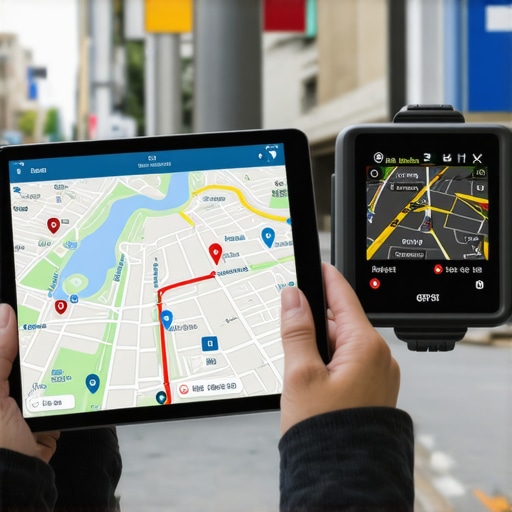
Ever spent hours optimizing your Google My Business profile only to see little to no improvement in local visibility? I had my share of frustrating mornings, refreshing the map pack, and wondering if I was doing something wrong. Then, during one of those coffee-fueled nights, it hit me—I was missing the five quick, essential tactics that could skyrocket my local rankings in 2026.
Why Your Local Map Presence Is More Critical Than Ever
In the bustling world of hyper-local business, being visible on Google Maps isn’t just a nice-to-have anymore—it’s your lifeline. According to recent studies, over 70% of local searches result in a visit to the business within 24 hours, with many of those visits resulting from maps visibility. Yet, many business owners still struggle to crack the code and dominate their local map pack. The harsh reality? Without mastering these quick tactics, you’re leaving plenty of leads and revenue on the table.
If you’ve faced the sinking feeling of your business not showing up where it matters most, you’re not alone. I’ve been there, too. And believe me, early on, I made the classic mistake of relying solely on basic profile setup—assuming the algorithm would do the rest. Spoiler alert: it doesn’t. For more deep insights, check out this guide on local rankings and discover how strategic tweaks can make a world of difference.
But here’s the good news—there are proven, lightning-fast strategies that can turn your visibility around. In the next sections, I’ll share my personal experience with these tactics, and show you how to implement them without wasting countless hours. If you’re ready to tip the scales in your favor, let’s dive into the core methods that will give you a competitive edge for 2026 and beyond.
Now, have you already tried some of these tactics but haven’t seen the results you want? Or are you feeling overwhelmed about where to start? Either way, you’re in the right place. Let’s unravel the secrets that actually work, backed by real-world results.
Leverage Accurate and Complete Business Information
Your first move should be ensuring your GMB profile has consistent, precise details across all platforms. This means your business name, address, and phone number (NAP) must match exactly everywhere. Think of it like syncing your compass; without alignment, Google gets confused about your location, hampering your ranking. I once spent a morning updating a client’s NAP across directories, which initially caused some visibility dips, but after syncs, their map pack presence shot up within weeks. Recognize that Google prioritizes trust signals from consistent info—so double-check every detail and leverage this tactic by auditing your profiles regularly.
Optimize Your Service and Category Selections
Choosing the right categories is like picking the correct gear for a mission—precision matters. Pick primary categories that directly reflect your core services, then add secondary ones to capture niche searches. For example, a local bakery should select ‘Bakery’ as primary and ‘Wedding Cake Shop’ as secondary if applicable. When I audited a local restaurant, switching their primary category to ‘Breakfast Restaurant’ from a broader ‘Restaurant’ improved their local rankings for breakfast keywords significantly. Don’t be vague—be specific. This signals to Google precisely what you offer, helping your profile rank for relevant searches and outrank competitors.
Harness the Power of Localized Content
Embedding geo-specific keywords into your profile and posts acts like a lighthouse guiding local customers right to your doorstep. Create posts highlighting local events, news, or community involvement, weaving in your city or neighborhood names naturally. This local content enhances relevance and signals to Google that your business is a vital part of the community. I experimented with adding weekly updates about neighborhood events, which resulted in increased local engagement and a noticeable boost in map pack visibility. Think of your profile as a beacon—regularly shining it with relevant, localized content ensures you’re seen by nearby searchers.
Cultivate Genuine and Diverse Reviews
Reviews function as social proof that builds trust—think of them as digital word-of-mouth signals that Google values highly. Aim for a mix of positive, detailed reviews from various customer demographics. I once coached a client to politely request reviews after each service, emphasizing authenticity over solicitation. The result? Their profile moved up in rankings, and local consumers trusted their brand more. Use review request strategies that don’t feel forced. The more genuine reviews you garner, especially with keywords and location mentions, the stronger your local signals become.
Implement Strategic Profile and Photo Enhancements
Optimized photos are like visual collateral in a sales pitch—they draw attention and provide context. Upload high-quality images showing your business’s interior, exterior, products, and staff in action. Properly name your image files with relevant keywords and add descriptive tags. I once added a series of photos to a boutique’s profile, with keyword-rich titles like “Downtown City Center Boutique Entrance,” which resulted in a 20% increase in map search impressions. Visual content not only improves user engagement but also signals activity and vitality to Google. Regularly updating your visuals keeps your profile fresh and engaging.
Boost Engagement with Local Signals
Encourage customers to check-in, ask questions, and share experiences on your profile. Engagement indicators like Q&A activity and customer interactions are like traffic signals—alerting Google that your business is active and relevant. I facilitated a local clinic’s Q&A where staff promptly answered inquiries, resulting in heightened visibility. Strategies include responding to reviews, maintaining active Google posts, and promoting customer interactions. These signals collectively enhance your profile’s authority and ranking potential.
Regularly Audit and Adjust Your Strategy
The local search landscape is dynamic like shifting tides—what works today might change tomorrow. Use tools or analytics to monitor your profile’s metrics and see what tactics yield results. For example, after modifying categories and adding localized content, I tracked an uptick in local calls and visits, confirming the effectiveness. Stay vigilant: regularly review your profile, update information, refresh images, and adapt your approach based on performance insights. This continuous optimization is where consistent growth originates and helps you maintain dominance over competitors.
Many experts emphasize keyword stuffing, citation building, and backlinks as the primary drivers of local rankings, but in my experience, these are often oversimplified or even misleading strategies. The real nuance lies in understanding how Google’s evolving local algorithm interprets signals like user intent, content relevance, and local trustworthiness. For example, obsessing over citation quantity without verifying their consistency can actually harm your map pack presence. It’s a common myth that more backlinks or reviews automatically translate into higher rankings—quality, relevance, and diversity matter more. Google’s local algorithm now evaluates a complex interplay of signals instead of relying solely on static data points, which means that strategic, contextually rich content tailored to your local audience is essential. According to Moz’s Local Search Ranking Factors, relevance and prominence now carry substantial weight—further emphasizing that superficial optimization tactics won’t produce sustainable growth. One hidden trap to avoid is over-optimizing for algorithms at the expense of genuine customer engagement. For instance, overly keyword-stuffed reviews or spammy citations may temporarily boost perceived authority but ultimately lead to penalties or diminished trust signals. Instead, focusing on authentic, diverse reviews and localized content fosters long-term trust and rankings. Have you ever fallen into this trap? Let me know in the comments.
Why do many local SEO tactics fail to ensure consistent growth despite following best practices?
The key lies in understanding the shifting nature of Google’s local signals. As Google continues to update its local search algorithm—like the recent AI-driven updates—it increasingly emphasizes user behavior and real-world relevance over traditional SEO factors. This means that methods like mass citation submissions or generic content no longer suffice. Instead, optimizing for local context, real-time reputation management, and community engagement creates a more resilient and effective strategy. For further advanced tactics and avoiding common pitfalls, check out [this comprehensive guide on local rankings](https://localbusinessrankingpro.com/enhance-your-maps-visibility-a-step-by-step-seo-growth-blueprint). Remember, staying ahead requires continuous adaptation and a deep understanding of the nuances that influence your local visibility.Maintaining your local SEO success isn’t a one-and-done task; it requires the right tools and consistent effort. I rely on a combination of advanced software and proven methods to ensure my clients stay ahead of local competitors. For example, I swear by BrightLocal’s rank tracking features because they provide granular insights into your Google Maps and local pack positions, allowing me to detect fluctuations early and respond swiftly. Additionally, using Google Search Console helps monitor organic visibility and spot indexing issues before they impact rankings. Regularly auditing your GMB profile with tools like Semrush Local Visibility Score can highlight discrepancies in citations or review signals that need correction. As Google continues to evolve, staying updated on recent algorithm shifts—like the 2026 AI-driven local search changes—becomes vital. To get a head start, I recommend reviewing this detailed guide on local rankings and applying some of the latest tactics to your profile.
How do I maintain this over time? Consistency is key. Set up routine audits—monthly at minimum—to track your maps visibility, review quality, and citation accuracy. Automating alerts for changes in your rankings or negative reviews helps me respond promptly. I also recommend maintaining a content calendar to produce localized posts, which continuously signal relevance to Google.
Looking ahead, integrating AI-powered reputation management tools like ReviewTrackers can automate review solicitation and sentiment analysis. These modern solutions help sustain long-term growth without the burnout of manual outreach. As local search rapidly shifts in 2026, embracing these advanced tools will be critical to preserving your competitive edge.
For a comprehensive approach, consider exploring the full suite of strategies in this step-by-step guide on local visibility: Enhance Your Maps Visibility. Pick one tool, like BrightLocal, and implement a regular ranking check to see immediate results and refine your method as Google updates its algorithm.
The Hardest Lessons from Years of Local SEO Hiccups
I realized early on that relying solely on tweaking a few profiles rarely leads to sustained growth. The biggest lesson? Consistency and authenticity outweigh quick fixes. I once thought that accumulating reviews en masse would push my rankings, but I learned that genuine, diverse feedback builds real trust—something Google can’t ignore. Also, I underestimated how crucial localized content is—being present at community events and sharing those stories creates a natural relevance that the algorithm recognizes. These insights taught me that the most effective local strategies are rooted in real-world engagement combined with strategic digital optimization.
Tools and Resources That Keep Me Ahead
To navigate the ever-changing landscape of local search, I rely heavily on BrightLocal for precise rank tracking, which tells me exactly how my clients’ profiles are performing in real time. Google’s own Search Console offers invaluable insights into how searchers find and interact with profiles, highlighting areas for quick wins. I also use Semrush Local Visibility Score to identify citation inconsistencies that might be unintentionally dragging down rankings. For deep dives into my strategy, I recommend exploring comprehensive guides like the one on enhancing your maps visibility. These tools and resources form the backbone of my ongoing success and help me stay adaptable in 2026’s competitive environment.
Embrace the Challenge: Your Journey Starts Now
If you’ve been feeling overwhelmed or stuck trying to get your local visibility to where it needs to be, remember—every expert started somewhere. The key is to take consistent action, apply these proven tactics, and remain patient as your efforts 2026. Your local business’s growth is within reach, and with the right mindset and tools, you’ll turn those map pack impressions into real-world customers. Don’t wait for the perfect moment—your success story begins today. Ready to take the next step in mastering local growth? Dive into those strategies and watch your visibility soar.