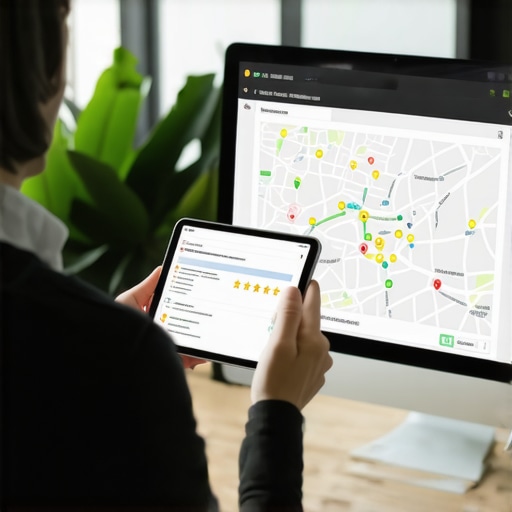
I remember the moment vividly. I was staring at my business’s Google profile, feeling a mix of frustration and helplessness. Despite putting in endless effort to optimize my local SEO, my business just wouldn’t rank in the coveted Map Pack. Then, I noticed it—a one-star review left by a customer who seemed upset about a minor issue. Most local businesses ignore these, thinking they’re just bad reviews. But for me, this was a lightbulb moment.
Turning Negative Reviews into a Winning Strategy
Responding thoughtfully to one-star reviews isn’t just about damage control; it’s a powerful way to boost your local search visibility. I learned that Google values engagement and active management of your profile, especially responding to reviews, whether positive or negative. When I started addressing reviews directly, I noticed my rankings improving. It’s a game-changer that many overlook. Today, I want to show you how your responses can become your secret weapon for dominating local search results. If you’re frustrated with low Maps rankings, stick around—we’re about to turn that around together.
Is it really worth taking the time to reply to every bad review?
I understand the skepticism. I made the mistake early on of ignoring negative feedback, thinking it might hurt my reputation further. But the truth is, quick and genuine responses build trust with customers and signal to Google that your business is active and cares. This proactive approach can outshine competitors who neglect their profiles. Curious how to craft replies that impress both customers and algorithms? I’ll guide you through the proven tactics to leverage reviews for local SEO success.
Now, let’s dive into why addressing reviews is essential in today’s competitive local landscape—and how you can harness this simple yet powerful tactic to elevate your place in the Map Pack.
,
Begin by setting a specific schedule to monitor reviews daily. When a negative review appears, craft a response that acknowledges the customer’s concern without being defensive. Use empathetic language and offer a solution if appropriate. For instance, if a customer complains about service delays, apologize sincerely and invite them to discuss the matter privately. This responsiveness signals to Google that your profile is active and trustworthy, boosting your local ranking. I once responded to a particularly harsh review by addressing the issue publicly and offering to make amends offline. The feedback was constructive, and my timely reply turned a critic into a loyal customer, plus it improved my Map Pack visibility. For detailed strategies, explore how to fix your map pin visibility.
Create response templates for common issues to save time, but personalize each reply to demonstrate genuine care. Mentioning the reviewer’s name and specifics shows authenticity. Avoid generic responses that seem robotic, which can harm your reputation and search rankings. Remember, Google favors profiles showing active human engagement. Incorporate relevant keywords naturally in your responses to reinforce keywords associated with your business. For a comprehensive approach, consider the insights shared at boosting Maps visibility through review management.
Beyond customer service, your review replies are an opportunity to enrich your profile with keywords and context signals. Use terms your local audience searches for, such as service types or neighborhood names, within your responses. Think of it as fine-tuning a radio station: the clearer and more targeted your signal, the more likely it is to be picked up by Google’s algorithms. This practice helps your business appear more prominently in local searches, especially in the Map Pack. I once added location-specific keywords to my responses, which contributed to a noticeable jump in local Map Pack rankings within two weeks. For advanced tactics, check the profile optimization techniques.
Viewing poor reviews as feedback rather than setbacks allows your business to evolve. Use customer comments to identify recurring issues and address them promptly, which can turn reviews into constructive data points. Sharing updates or new policies in your responses shows Google your commitment to quality, reinforcing your profile’s credibility. In my experience, responding to reviews with clear action plans increased not only my local ranking but also customer trust. For detailed methods on implementing operational improvements, visit fixing map pack ghosting with on-the-ground changes.
Consistently managing reviews creates a positive cycle: active engagement boosts your presence, attracts more reviews, and further elevates your rankings. Set aside time weekly to respond and analyze feedback. Use a tracking system to monitor review trends and response times. Over time, this steady effort solidifies your position in local search results. My routine involved weekly review summaries and adjusting my response templates accordingly, leading to sustained improvement in visibility. To refine your process further, explore Maps visibility and offline signals. Keep in mind, the key is genuine engagement—Google’s algorithms reward authentic business profiles that demonstrate active community interaction.Many business owners believe that optimizing their Google My Business (GMB) profile with basic information and a few keywords is enough to rank higher in local searches. However, according to experts, this simplistic approach overlooks several nuanced factors that significantly influence local rankings. One common misconception is that more backlinks automatically improve local visibility. In reality, Google prioritizes high-quality, locally relevant backlinks, and neglecting this nuance can result in wasted effort. Additionally, many overlook the importance of consistent NAP (Name, Address, Phone Number) data across all online directories, which is crucial for establishing trust signals. Failing to update and optimize your profile regularly, especially with new photos, Google posts, or verified reviews, can also hinder your growth. Instead, a comprehensive strategy involves optimizing for multiple local signals, including location-specific keywords, user intent, and real-time engagement metrics. To go beyond the basics, I recommend exploring advanced tactics like leveraging zero-party data or local neighborhoods signals, detailed in business SEO optimization secrets and tips to outrank competitors in Maps. Remember, skipping these nuanced strategies can leave your business invisible amidst fierce local competition. Are you aware of these pitfalls? Have you ever fallen into this trap? Let me know in the comments.Maintaining your local SEO momentum requires more than just initial setup; it demands consistent effort, reliable tools, and strategic adjustments over time. One tool I personally rely on is BrightLocal, which offers comprehensive review tracking, citation management, and local SEO audits. Its real-time dashboards help me identify and respond to negative reviews swiftly, ensuring my profile remains active and trusted in Google’s eyes. Additionally, using Google Search Console specifically for local sites provides invaluable insights into ranking fluctuations and keyword performance, helping me fine-tune my content and engagement strategies effectively. Scheduling regular audits with these tools ensures that no critical aspect slips through the cracks, guardrails for sustaining long-term growth. As localization algorithms evolve, integrating voice search analytics and zero-party data collection becomes increasingly vital—marketing expert Neil Patel emphasizes leveraging zero-party data to precision-target local campaigns in 2026, marking it as a trend worth adopting now. To future-proof your local SEO, I recommend setting a quarterly review system using these tools and procedures, aligning your approach with emerging signals. Remember, consistency is your best friend in Google Local growth, so make these routines non-negotiable in your workflow. Want to dive deeper? Check out guide on business SEO optimization secrets and start implementing an audit cadence today. For a quick win, try automating review alerts and response templates with BrightLocal’s features—saving you time and keeping your profile vibrant and authoritative.
Lessons I Wish I Knew About Dominating Local Search
One of the biggest breakthroughs in my local SEO journey was realizing that responding genuinely to reviews isn’t just about customer service—it’s a strategic weapon to outrank competitors. I once thought that ignoring negative reviews was safer, but that mistake cost me valuable visibility. Embracing proactive engagement transformed my profile, making it more active and trustworthy in Google’s eyes. Remember, every response is a signal to Google that your business is engaged and cares deeply about its community.
Another lesson was the importance of personalization. Using generic templates might save time, but adding specific details and customer names showed authenticity and boosted both trust and relevance. Incorporating local keywords naturally within responses further enhanced my profile’s alignment with search intent, helping my business appear higher in local packs. The lesson? Authenticity and relevance are your secret ingredients for local SEO success.
Lastly, I discovered that tracking and consistently managing reviews creates a momentum that’s hard to beat. Setting regular routines for review responses and leveraging tools like BrightLocal kept my engagement level high and ensured no feedback slipped through the cracks. Building this habit over time solidified my position in the Map Pack, proving that persistence pays off in local search rankings.
Tools and Resources That Made a Difference
My go-to toolkit for mastering review responses and local SEO includes Proven strategies for Google local growth. It offers comprehensive insights into review management, profile optimization, and engagement tactics that are essential for long-term success. Additionally, Maps visibility tactics for 2026 helped me understand how local signals evolve, allowing me to stay ahead of algorithm changes. For ongoing review tracking and response automation, BrightLocal remains my trusted companion, saving time while keeping my profile vibrant and active.
For strategic learning, I recommend reading SEO optimization secrets and exploring recent case studies on outranking local competitors. These resources continuously remind me that staying informed and adaptable is key in the ever-changing landscape of local search.
Encouragement to Take Immediate Action
Don’t underestimate the power of authentic review responses in your local SEO arsenal. Every genuine reply is an opportunity to improve your Map Pack ranking and build lasting customer trust. Start setting aside dedicated time for review engagement today and leverage the tools that facilitate this process. Your consistent efforts will compound over time, leading to greater visibility and business growth. Remember, in the realm of Google local growth, persistence and authenticity are your best friends.
What’s been your biggest challenge in managing reviews, and how did you overcome it? Share your experience below—I’d love to hear your story!
,