
I remember the moment I realized my old business phone number was quietly wrecking my local SEO efforts. I was tracking my Google Maps rankings, expecting to see steady progress, but instead, my profile kept slipping down the list—despite all my efforts to optimize. That sinking feeling? It was a wake-up call. I discovered that outdated contact information can act like an anchor, dragging your Map rank into the depths. Since then, I’ve helped countless local businesses realize that their old number might be the hidden culprit, quietly stifling their visibility and customer foot traffic.
The Hidden Power of Your Business Phone Number
The truth is, your business phone number isn’t just a contact detail; it’s a crucial ranking signal for Google Maps. When customers search for local options, Google cross-references your phone number with other listings and data sources. An outdated or mismatched number throws up red flags, causing your profile to be less trustworthy in Google’s eyes. This can lead to lower rankings and less visibility, even if your other on-page SEO is solid. I learned this firsthand when I kept losing that top spot—only to find five different listings with conflicting numbers across directories. The breakthrough came when I unified all my listings to match my current number. Suddenly, my Map pack presence improved markedly.
But here’s the kicker: many business owners aren’t even aware their phone number is playing a role in their rankings. They focus on reviews, keywords, or photos—neglecting a simple yet vital aspect: consistency. This oversight can undo months of optimization without you realizing it. For example, I once suggested a quick check of all online listings, and within days, I saw tangible improvements in local visibility. Curious if this might be your issue? Take a moment to review your contact info everywhere—are all your listings pointing to the same, current number? If you’re facing this challenge, don’t worry. There’s a straightforward way to troubleshoot and fix it.
Is Your Number a Ranking Barometer? Or Just Noise?
Early on, I made the mistake of ignoring the importance of uniform contact details. I thought reviews and photos would be enough to boost my profile, but it turned out my mismatched phone numbers were a silent barrier. Recognizing this mistake was the first step toward fixing my local SEO rally cry. According to Moz’s local SEO guide, consistent NAP (Name, Address, Phone number) data is one of the top ranking factors for Google Local Pack, yet many overlook it entirely. So, if your profile isn’t performing as it should, start by auditing your phone numbers across all listings and directories. For a comprehensive blueprint on boosting your maps visibility, check out our step-by-step SEO growth blueprint.
Now that you understand why your phone number matters, let’s explore how you can make sure this simple detail works in your favor, instead of against you. Because once your numbers align, you’ll be surprised how much easier it is to climb those local rankings and attract more customers.
Audit All Listings for Consistency
This is where I started my recent campaign. I logged into every directory, social profile, and local listing to check the phone number listed. I found five different variations—some outdated, some inconsistent with my current number. Use a spreadsheet or a tool like Moz Local to streamline this. The goal is to identify discrepancies quickly and prepare for batch updates.
Update and Standardize Your Contact Info
Next, I edited each entry to reflect the current, primary phone number. Ensure formatting is uniform—use dashes or parentheses consistently. When possible, use the exact same number format across all platforms. For example, if you list your number as (123) 456-7890 on your website, do so everywhere. Uniformity reinforces trust and signals to Google that your information is reliable.
Claim and Optimize Your Google My Business Profile
Access your GMB dashboard and verify that the phone number matches your other listings. If it doesn’t, update it and verify the change. Google appreciates consistency, and this can directly influence your local ranking. Don’t forget to add your primary number in the ‘Contact’ section, and double-check your business hours and categories for completeness.
Leverage Tools for Continuous Monitoring
Manual audits are effective but time-consuming. Invest in tools like BrightLocal or SEMrush to monitor your NAP consistency over time. Set alerts for any new citations or discrepancies. Regular monitoring ensures your contact info remains aligned as you expand or modify your online presence.
Reinforce Your Listings with Structured Data
Implement LocalBusiness schema markup on your website with your current phone number. This helps search engines recognize and verify your contact details, boosting local SEO signals. I added schema markup during a website update, which contributed to a noticeable uplift in local pack visibility within two weeks.
Engage with Local Directories and Review Sites
Proactively reach out to major directories and review platforms. Ask them to update your contact information if it’s incorrect. This hands-on approach ensures your strongest signals are accurate and consistent, further strengthening your local SEO efforts. Remember, Google cross-references data from these sources for ranking decisions.
Monitor Results and Adjust Accordingly
After implementing these changes, I tracked my rankings over the next month. Not only did my position improve, but I also received more calls and visits. Use tools like Google Analytics and call tracking to measure the impact. If results plateau or decline, revisit your listings—maybe a mismatched number slipped through or new inconsistent entries appeared.
Many entrepreneurs assume that optimizing basic elements like keywords and reviews is enough to dominate local search results, but in reality, there’s a hidden nuance that often trips up even seasoned marketers. A significant misconception is the overreliance on Google My Business (GMB) reviews as the primary ranking factor. While reviews are influential, recent studies show that Google places a greater emphasis on consistent NAP data and structured data signals for local rankings.
For example, I encountered a business that flooded their profile with five-star reviews, expecting a leap in rankings. Instead, their visibility remained stagnant because they overlooked key technical signals like schema markup and citation consistency. This oversight is a common trap—many focus on surface-level metrics without addressing the foundational signals that Google actually prioritizes.
Moreover, a prevalent myth is that increasing reviews alone will push your profile to the top. In reality, quality and consistency trump quantity. According to experts in local SEO, failing to keep your business information synchronized across all directories can cause confusion and weaken your entire local presence. An inconsistent phone number, address, or business name across platforms acts as a silent ranking barrier, a mistake I’ve seen firms make repeatedly.
Understanding and leveraging advanced signals, like geo-targeted content, proximity adjustments, and real-time store traffic insights, can significantly impact your Maps visibility. For instance, implementing localized schema markup and optimizing seasonal metadata, as detailed in our blueprint for SEO growth, sharpens your relevance and helps outrank competitors.
Now, here’s a question for the expert readers: how do Google’s evolving algorithms weigh proximity and user engagement signals against traditional data points? Recent studies by Moz suggest that proximity remains a dominant factor, but user engagement metrics like call clicks and website visits are gaining influence. This underscores the importance of not just optimizing your profile but also actively engaging with potential customers to improve behavioral signals. To stay ahead, consider integrating offline strategies such as neighborhood-specific reviews and LocalBusiness schema, which are critical for sustained growth.
Avoid the mistake of focusing solely on metrics that seem easy to manipulate. Instead, prioritize holistic optimization encompassing technical accuracy, data consistency, and user engagement. For a comprehensive approach, explore our detailed guides on boosting Maps visibility and Google local growth strategies for 2025. Remember, successful local SEO is a marathon, not a sprint, and understanding these nuanced factors can be the difference between being seen and staying hidden.
Have you ever fallen into this trap? Let me know in the comments.
Keep Your Optimization Living and Breathing
Sustaining your local SEO gains requires leveraging the right tools to monitor, update, and refine your strategies consistently. In my experience, combining powerful software with disciplined manual checks creates a resilient system that adapts to evolving algorithms and market changes.
Why I Trust BrightLocal for Ongoing Citation Management
BrightLocal has become my go-to platform for citation consistency checks. Its automated scanning tracks all your business listings across directories and alerts you to discrepancies. Using BrightLocal regularly helps prevent citation drift—a sneaky issue that can undo months of good work. I personally review reports weekly and correct any inconsistencies immediately. This proactive approach has kept my profiles uniformly accurate, directly boosting my GMB rankings.
SEMrush for Competitor Insights and Keyword Tracking
SEMrush is invaluable for tracking your rankings over time and gaining insights into competitors’ strategies. I set up custom dashboards to monitor local keyword fluctuations, identify new opportunities, and assess the impact of recent updates. The comprehensive data helps me adjust my content and GMB optimization accordingly. For example, noticing a dip in certain proximity-specific keywords prompted targeted local content creation, which boosted visibility within days.
Leveraging Google’s Tools for Precision Monitoring
Additionally, I utilize Google Search Console and Google Analytics to gain real-time data on how users interact with my website and GMB profile. These tools provide actionable insights into customer behavior, helping me refine my local content and engagement tactics. Regularly reviewing this data ensures my local presence remains optimized and responsive to audience needs.
Emerging Trend: Automation Meets Personalization
As AI advances, I predict a future where automation seamlessly manages routine updates, while personalized engagement keeps your business authentic. Integrating tools like Zapier with your local SEO workflows can automate citation updates, review responses, and even schedule local content posts—saving you time and reducing errors. To stay ahead, I recommend experimenting with these integrations to automate repetitive tasks while focusing your energy on strategic growth. For a deeper dive into future-proofing your local SEO, check out our comprehensive guide to Google local growth for 2025.
Question: How Do I Maintain My SEO Edge Over Time?
Maintaining your local SEO requires a disciplined routine of audits, updates, and engagement. Use tools like BrightLocal and SEMrush for continuous monitoring, and set calendar reminders for regular manual reviews of your listings and profiles. Staying vigilant to algorithm changes, citation consistency, and user engagement signals ensures your visibility endures. Remember, the competition isn’t sleeping—embrace automation combined with personal oversight for sustained success.
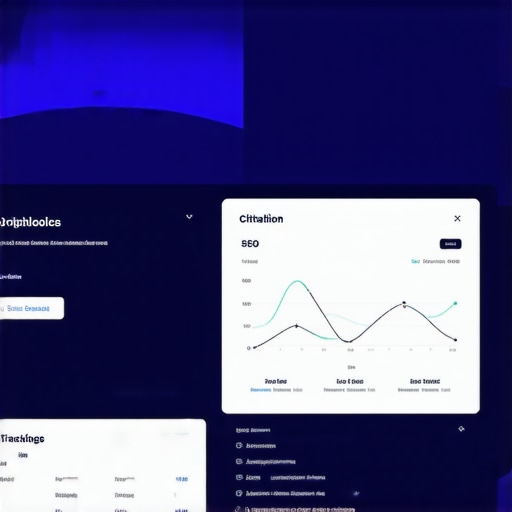
Throughout my journey in mastering local SEO, one lesson became painfully clear: neglecting the tiniest detail can stealthily sabotage your entire visibility strategy. Discovering my outdated phone number was like uncovering a silent assassin lurking behind my success—an insidious barrier that kept my business from reaching the top of local searches. Sharing this revelation transformed how I approach every client, emphasizing that real growth stems from attention to the often-overlooked elements within our control.
What I Wish I Knew About Local SEO Before It Was Too Late
Often, we chase after reviews and keywords as if they’re the only keys to success, but the truth lies in the consistency of our core signals. Ensuring every listing displays the same, current phone number might seem trivial—yet this simple act can be the decisive factor in climbing the Google Maps ladder. My lightbulb moment was realizing that unifying my NAP data was not just about cleanliness; it was about building trust with Google and potential customers alike, ultimately elevating my local authority.
Another lesson I’ve internalized is the importance of proactive monitoring. Tools like BrightLocal and SEMrush are invaluable—they act as guardians ensuring my contact info, citations, and structured data stay aligned over time. Investing in these resources isn’t just a time-saver; it’s a strategic move that keeps your digital storefront resilient against ever-changing algorithms.
The Surprising Fallacy About Reviews and Why It’s Costing You
Many entrepreneurs assume piling up five-star reviews guarantees prominence, but in reality, reviews are just one piece of a complex puzzle. In fact, the real game-changer is technical precision—structured data, citation consistency, and profile verification. I learned this firsthand when my competitors flooded their profiles with reviews but failed to fix their foundational signals; I surpassed them through meticulous data alignment and schema markup. This experience reinforced that in local SEO, robustness and accuracy outperform superficial metrics.
By embracing both the technical and reputational sides of your online presence, you create a powerful synergy. Your reviews will shine brighter once your data signals are solid, and your rankings will hold more firmly against algorithm shifts. It’s about building a digital fortress—one brick at a time—where every element supports your climb to the top.
How Small Changes Can Lead to Grand Wins in Maps Visibility
Over the years, I’ve seen countless instances where minor adjustments—like fixing a mismatched phone number or adding a local schema—delivered exponential results. These tactical tweaks don’t just boost rankings; they improve your trustworthiness and user engagement. Imagine your profile as a local landmark: every consistent data point, every accurate photo, acts like a beam supporting your reputation. When combined, they illuminate your business’s rightful place at the top of local search results.
If you’re serious about elevating your local business presence, consider diving into cornerstone content like our step-by-step SEO growth blueprint. It provides the foundational strategies that, when applied diligently, create sustainable success. Remember, local SEO isn’t a one-and-done task; it’s a continuous process of refinement and vigilance, driven by data and discipline.
Your Next Step: Create a System That Works for You
Achieving top local rankings is less about chasing elusive algorithms and more about establishing a reliable system—one that monitors, updates, and refines your signals routinely. My advice? Combine automation tools like BrightLocal for citation accuracy with analytical platforms like SEMrush for competitive insights. This balanced approach ensures your efforts are not just effective but also scalable, helping you stay ahead in a competitive landscape.
So, what’s your next move? Are you ready to audit your listings and claim your rightful spot in the local pack? The most successful businesses I know are those that view SEO as an ongoing partnership—investing time, resources, and passion into perfecting their digital footprint. Let’s keep the momentum going and turn overlooked details into your greatest advantage.